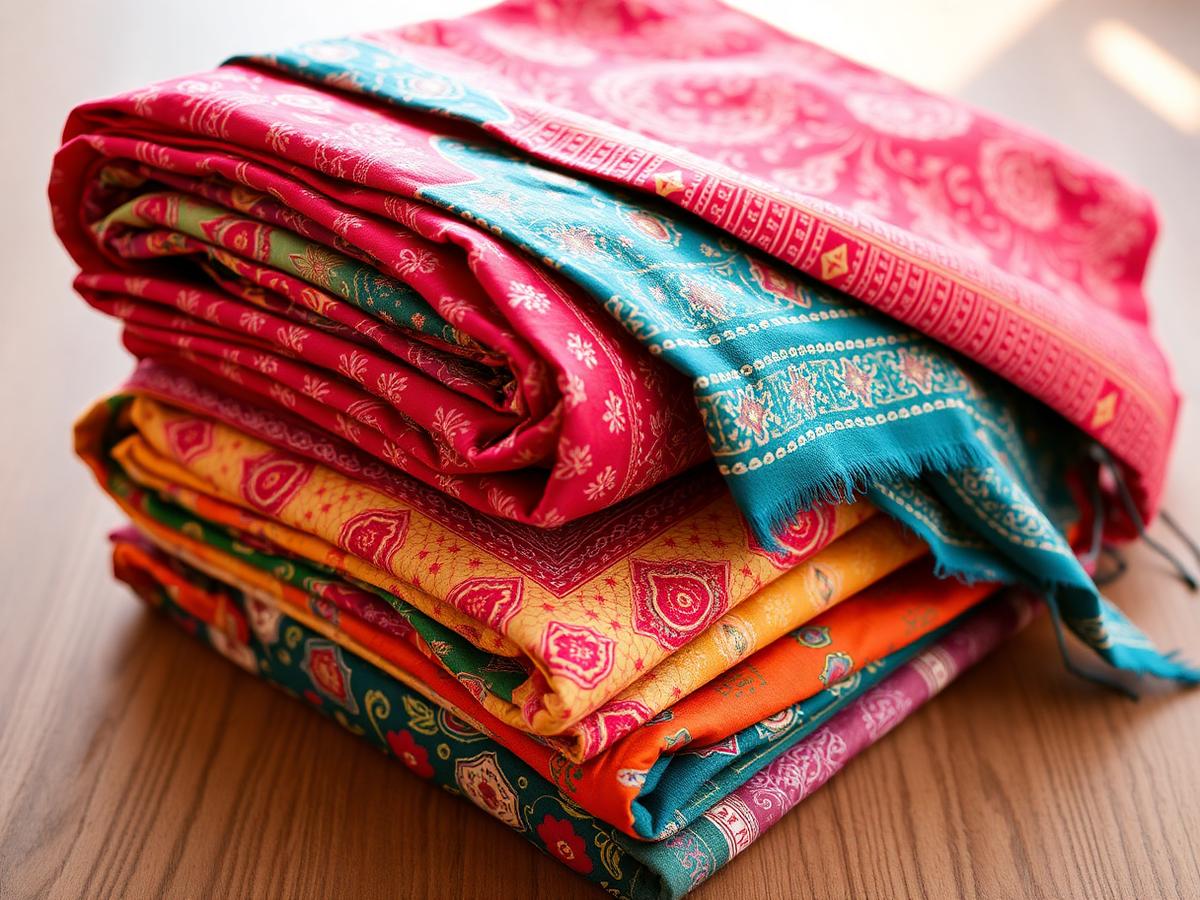
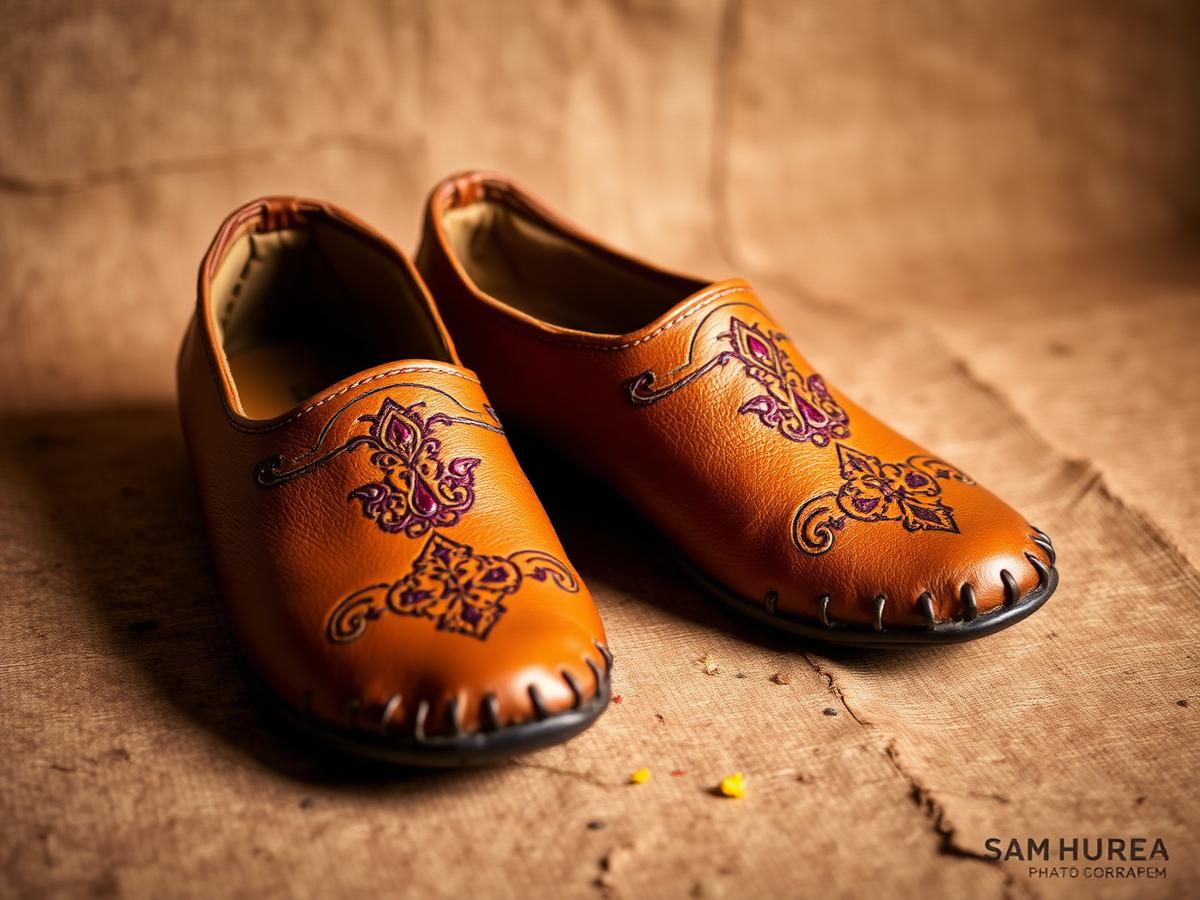
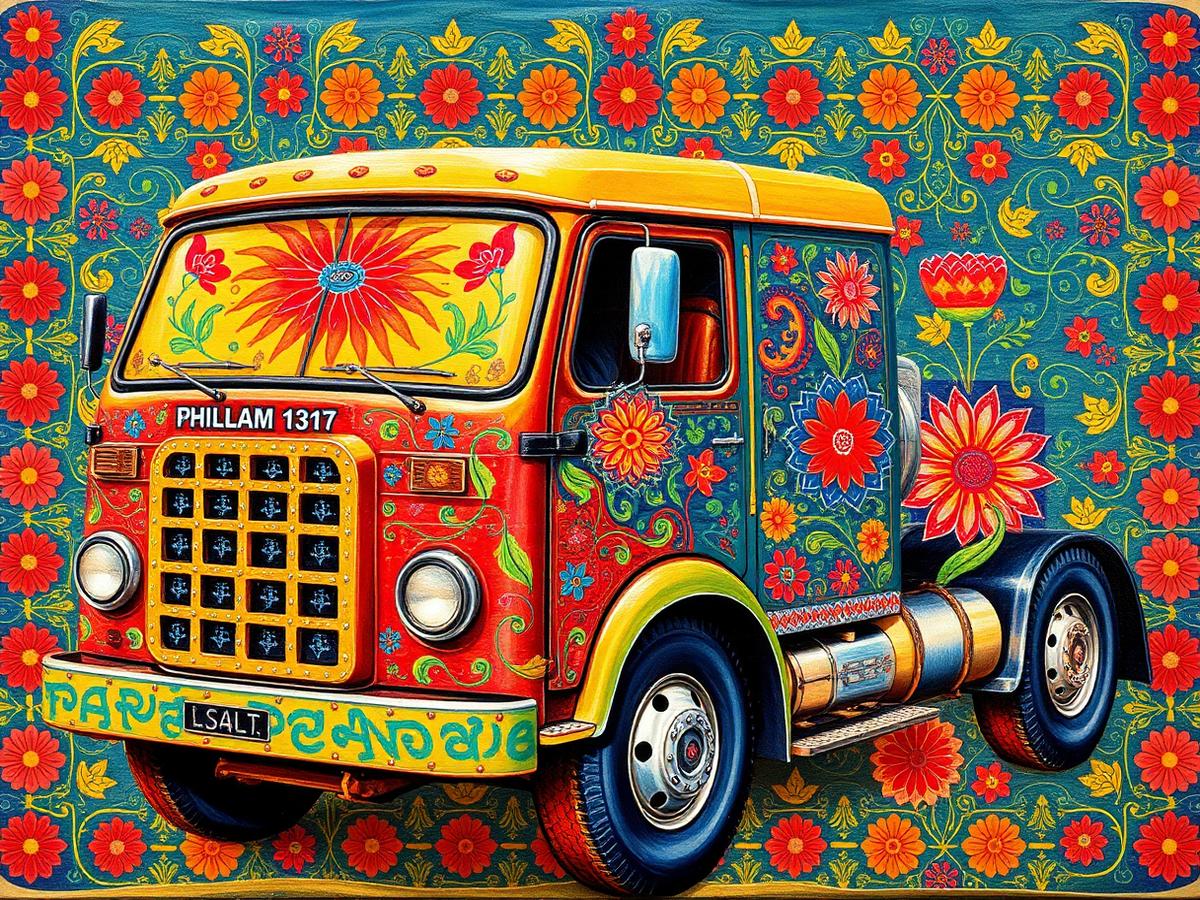
Pakistani Tradition is an independent, family-owned studio in Zapata, Texas, dedicated to sharing the beauty of Pakistan — from hand-embroidered textiles and truck-art prints to slow-brewed chai rituals and living folk heritage.
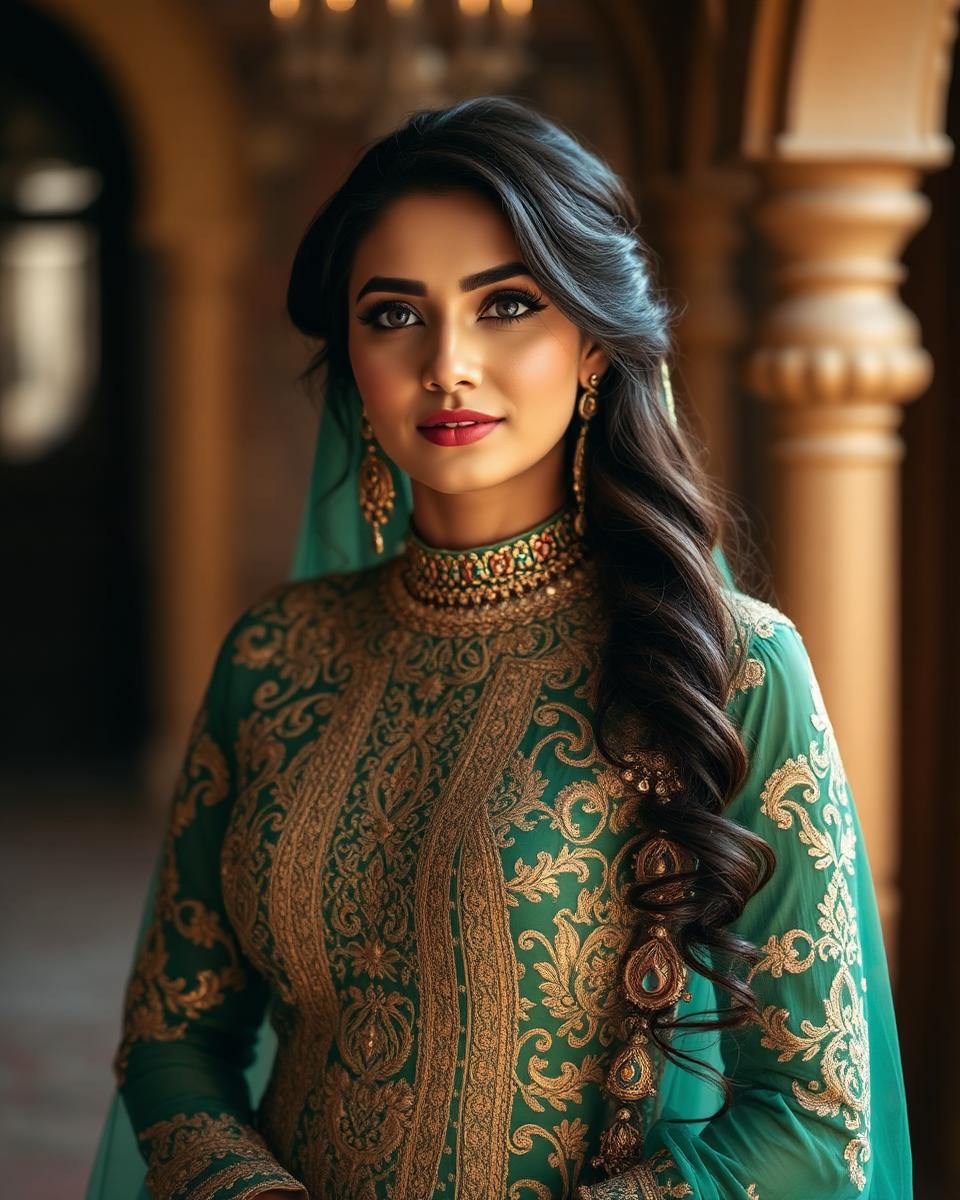
Every piece we feature is documented at the source — the artisan named, the region honored, and the technique preserved for the next generation.
We work directly with artisan cooperatives in Punjab, Sindh, and Balochistan. Fair prices, no middlemen, and every partner introduced by name.
Every collection ships with a printed provenance card explaining the technique, the region, and the human story behind the piece.
We release only a few small collections each year. No fast fashion, no shortcuts, no anonymous supply chain.
Six ongoing collections built around the crafts we love most. Each is small-batch, seasonal, and rooted in a specific region.
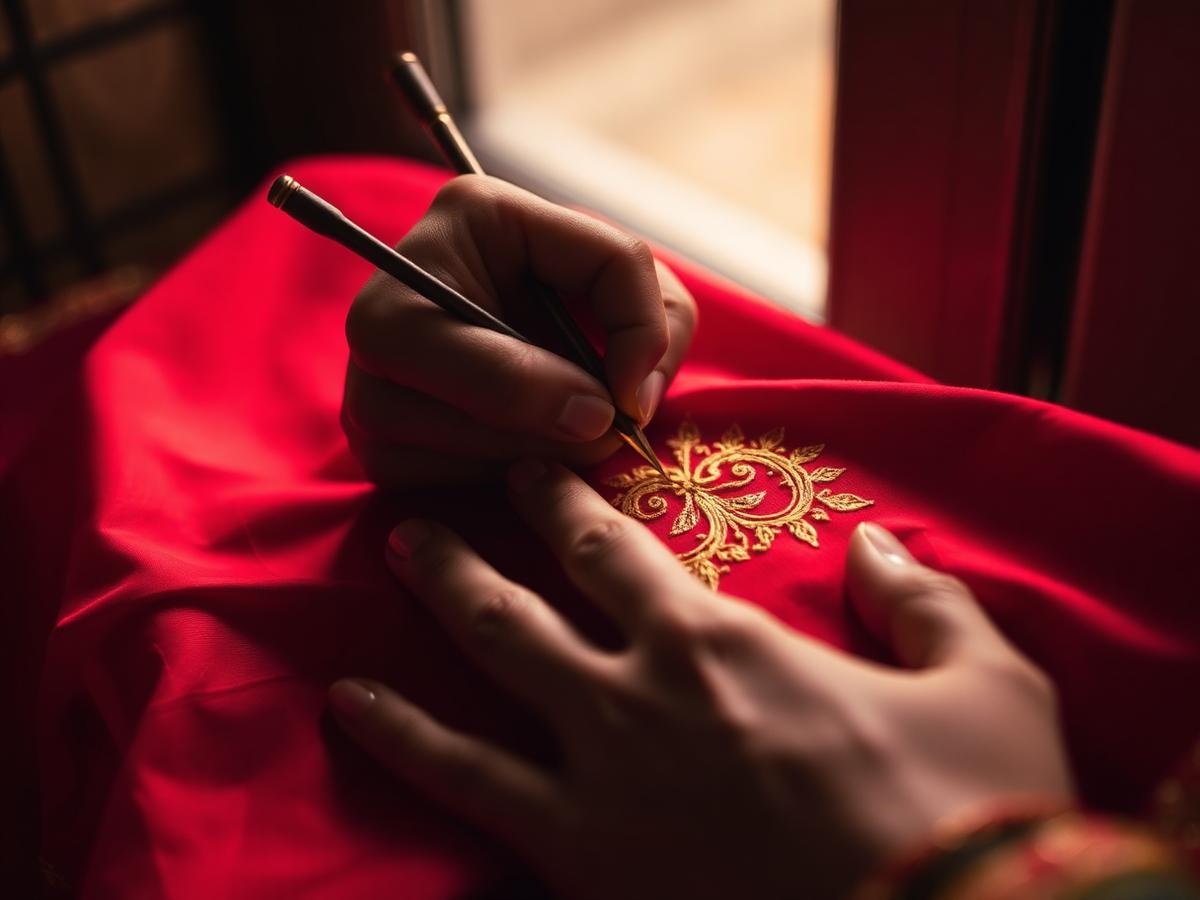
Behind every piece is a person — a grandmother in Multan who has embroidered for forty years, a young artist in Karachi reviving her family's block-printing shop, a household in Bahawalpur that dyes indigo the same way it has since 1908.
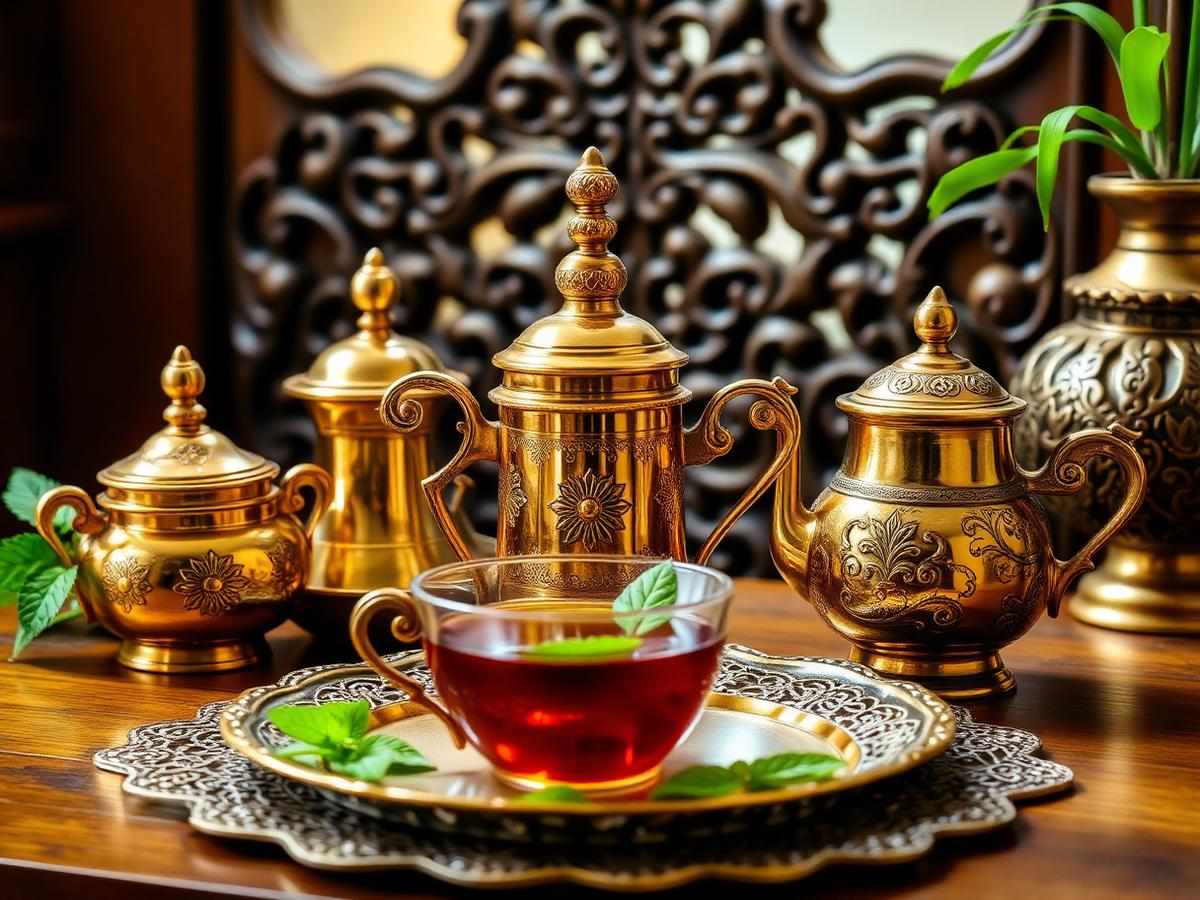
We write long-form essays about the crafts, foods, and rituals that shaped Pakistani daily life — from the geometry of Multani pottery to the poetry of Faiz Ahmed Faiz. Our journal is free, ad-free, and lovingly researched.
Explore heritage → Read the journal →The provenance card that came with my dupatta made me cry. It named the woman who embroidered it and the village she works in. I have never seen a small business do that.
I bought a set of blue Multani pottery for my mother-in-law and she has not stopped talking about it. The packaging alone is a work of art.
Reading their journal is a highlight of my week. The piece on Ajrak dyeing changed how I think about textiles forever.
One thoughtful letter a month — new collections, journal essays, and small notes from our studio in Zapata, Texas.
Subscribe to our letter